Ener-Chi Wellness Center
Your Trusted Source for Natural Healing Methods
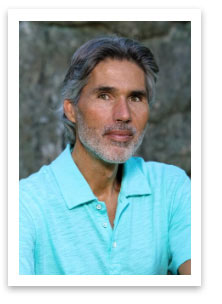 In 1999, Andreas Moritz opened the Ener-Chi Wellness Center to assist individuals in achieving optimal health and well-being of their body, mind and spirit. Author of 16 books, including The Amazing Liver and Gallbladder Flush, Timeless Secrets of Health & Rejuvenation, and Cancer Is Not a Disease, Andreas also created Ener-Chi Art, Sacred Santémony and other unique wellness modalities.
After having worked in the natural health field for nearly 40 years, Andreas arrived at the conclusion that it is relatively easy to achieve good health, slow the aging process and live a fulfilling, vibrant, happy life. Treating or combating the symptoms of disease, on the other hand, can be very stressful and complicated, and tends to generate a host of potentially serious side effects that merely breed new diseases.
Each year, over 900,000 Americans lose their lives as a result of medical treatment, not the diseases they are diagnosed with. Instead of interfering with the body’s own natural healing programs – commonly referred to as diseases – we need to restore the numerous factors that allow the body to heal itself and sustain its natural state of balance, vitality and youthfulness.
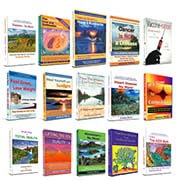
We invite you to take advantage of the Free Health Information Andreas Moritz has made available on this website, in the form of articles, video and audio recordings, many FAQ pages, blog posts, and links to posts on his social media sites. For in-depth information, you may want to check out Andreas’ Books, available as regular soft cover and downloadable eBooks. Or you may wish to view Andreas’ Ener-Chi Art pictures and see the amazing health-promoting products he has recommended. You can also sign up to receive free, informative newsletters, many of which are archived for easy reference.
Ener-Chi Wellness Center wishes you the best of health and personal fulfillment!
shop

cart

|
newsletter
Ener-Chi Newsletter
Updates & Special Promotions

75% OFF Paperback Books and Ener-Chi Art
Now until May 31st
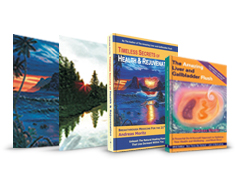
The Amazing Liver and Gallbladder Flush: twice the content and many more illustrations
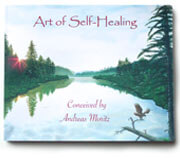
Ener-Chi Art is based on one of
the most ancient systems of
healing and rejuvenation
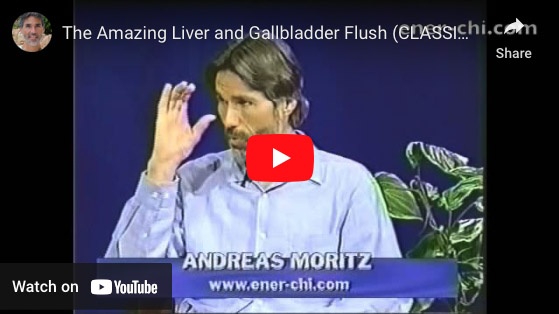
Ener-Chi TV
Health Questions & Answers
Andreas Moritz has answered many questions related to health and spirituality, and his responses have been a source of timeless wisdom to those who have been seeking wisdom and healing from ‘dis-ease’ or have wanted to gain deeper insight into their life circumstances. We have compiled this information by subject, so you may find answers to questions you have.
Please click on any of the links below to find Q&A related to these topics:
 |
Liver Flush / Liver Cleanse |
|
General Health |
|
Cancer |
|
Kidney Cleansing |
|
Food, Diet & Cooking |
|
MMS (Miracle Mineral Solution) |
|
Spiritual Guidance & Insights |
|
Miscellaneous Q&A |