
Disorders of the Skin

By Andreas Moritz 

Nearly all skin diseases such as eczema, acne and psoriasis, have one factor in common: gallstones in the liver. Almost every person with a skin disease also has intestinal problems and impure blood, in particular. These are mainly caused by gallstones and the harmful effects they have on the body as a whole. Gallstones contribute to numerous problems throughout the body – particularly in the […]
Disorders of the Reproductive System

By Andreas Moritz

Female and male reproductive systems both depend largely on smooth functioning of the liver. Gallstones in the liver obstruct the movement of bile through the bile ducts, which impairs digestion and distorts the structural framework of liver lobules. This diminishes the liver’s production of serum albumin. Serum albumin is the most common and abundant protein in the blood responsible for maintaining plasma osmotic pressure at its normal level of 25mmHg, and clotting factors, essential for coagulation of blood. Insufficient […]

Disorders of the Joints

By Andreas Moritz

There are three types of joints in our body: fibrous or fixed joints, cartilaginous or slightly movable joints and synovial or freely movable joints. The most susceptible to disease are the joints of the hands, feet, knees, shoulders, elbows and hips. The most commonly found diseases include rheumatoid arthritis, osteoarthritis and gout.

Most people with rheumatoid arthritis have a long history of intestinal complaints: bloatedness, flatulence, heartburn, belching, constipation, diarrhea, coldness and swelling of hands and feet, increased […]

Disorders of the Bones

By Andreas Moritz

Although bone is the hardest tissue in the body, it is, nevertheless, very much alive. Human bone consists of 20% water, 30-40% organic material, such as living cells, and 40-50% inorganic material, such as calcium. Bone tissue harbors many blood and lymph vessels, and nerves. The cells responsible for balanced bone growth are the osteoblasts and osteoclasts. Osteoblasts are the bone-forming cells, whereas osteoclasts are responsible for resorption of bone to maintain optimum shape. A third group of cells, […]

Disorders of the Urinary System

By Andreas Moritz

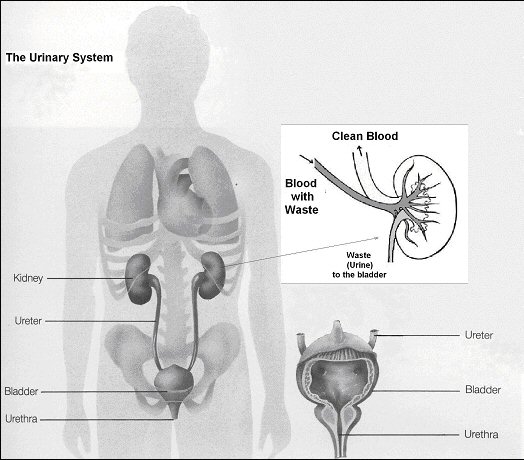
The urinary system is a very important excretory system of the body. It consists of: two kidneys which form and excrete urine; two ureters which convey the urine from the kidneys to the urinary bladder; a urinary bladder where urine collects and is temporarily stored; and, a urethra through which urine is discharged from the urinary bladder to the exterior of the body (see Figure 1).


Figure 1: The Urinary System


Smooth […]

Disorders of the Respiratory System

By Andreas Moritz

Both mental and physical health depend on the effectiveness and vitality of the cells in the body. Most of the energy required by the cells is derived from chemical reactions that can only take place in the presence of oxygen. One of the resultant waste products is carbon dioxide. The respiratory system provides the routes by which sufficient oxygen is taken into the body and carbon dioxide is excreted from the body. Blood serves as the transport system for […]

Poor Circulation, Enlargement of the Heart & Spleen, Varicose Veins, Lymph Congestion and Hormonal Imbalance

By Andreas Moritz

Gallstones in the liver may lead to poor circulation, enlargement of the heart and spleen, varicose veins, congested lymph vessels and hormone imbalance. When gallstones have grown large enough to seriously distort the structural framework of the lobules (units) of the liver, blood flow through the liver becomes increasingly difficult. This not only raises the venous blood pressure in the liver, but also in all of the organs and areas of the body that drain used blood through their […]

High Cholesterol

By Andreas Moritz 

Cholesterol is an essential building block of every cell in the body, required for all metabolic processes. It is particularly important in the production of nerve tissue, bile and certain hormones. On average, our body produces about half of a gram to one gram of cholesterol per day, depending on how much of it the body needs at the time. By and large, our body is able to produce 400 times more cholesterol per day than what we would […]

By |September 15, 2011|Categories: Gallstones, High cholesterol|Tags: , , , , , |

Coronary Heart Disease

By Andreas Moritz 

Coronary heart disease and heart attacks take more American lives than any other cause. Although it occurs suddenly, a heart attack is actually the final stage of an insidious disorder that has been years in the making. The disorder is known as coronary heart disease. Since the disease plunders only prosperous nations and has rarely killed someone before 1900, we have to hold our modern lifestyles, unnatural foods and unbalanced eating habits responsible for today’s heartsick society. But long […]

Disorders of the Intestines

By Andreas Moritz 

The small intestine is continuous with the stomach at the pyloric sphincter and has a length of 16-19 feet (5-6 meters). It leads into the large intestine, which is about 3.5-5 feet (1-1.5 meters) long. The small intestine secretes intestinal juice to complete digestion of carbohydrates, protein and fats. It also absorbs nutrient materials necessary for nourishing and maintaining the body, and protects it against infection by microbes that have survived the anti-microbial action of hydrochloric acid in the […]

Go to Top